


A recap of this month's Learning Labs session with Bobby Sorden, CMO of AppMyCommunity
For this session of Learning Labs, I sat down with Bobby Sorden, chief marketing officer at AppMyCommunity, to talk about what happens after a guest checks in and the front desk conversation is over. Turns out, quite a lot, if you build the right app for it. Bobby ran a live demo, told some excellent stories, and made a very convincing case that "the app is doing far more heavy lifting than most of us give it credit for."
AppMyCommunity builds white-label mobile apps for RV parks and resorts, wired directly into RMS through an API integration. Here's what stuck with me.
Where it started: a kiddie train with no timetable
AppMyCommunity was founded by Joe and Rose Duemig, a husband-and-wife team, in 2017. They rolled into an RV park with their four daughters just as a kiddie train trundled past, towed by a tractor. Cue immediate, unanimous demand from the back seat: we want to ride that. Except nobody could find a schedule, a pickup point, or a single human being at the front office to ask, because it was closed.
Most people would move on. Joe, a developer, spotted an opportunity, pulled out his laptop on the drive home and started coding instead. Rose brought the hospitality know-how. Six months later, they went back to that same park with a working app and a pitch. That park said yes, and is still a customer today, which is either a great advertisement for the product or proof that first impressions matter even when your first customer is also your test subject.
What the app actually does
Every AppMyCommunity app is branded to the park, your logo and colors, published under your own name in the app stores. Staff run it from an admin console that looks almost identical to the guest view on the phone, with certain buttons locked down to specific groups, like employees or seasonal residents, so nobody stumbles into something they shouldn't.
A few features worth flagging from the walkthrough:
-
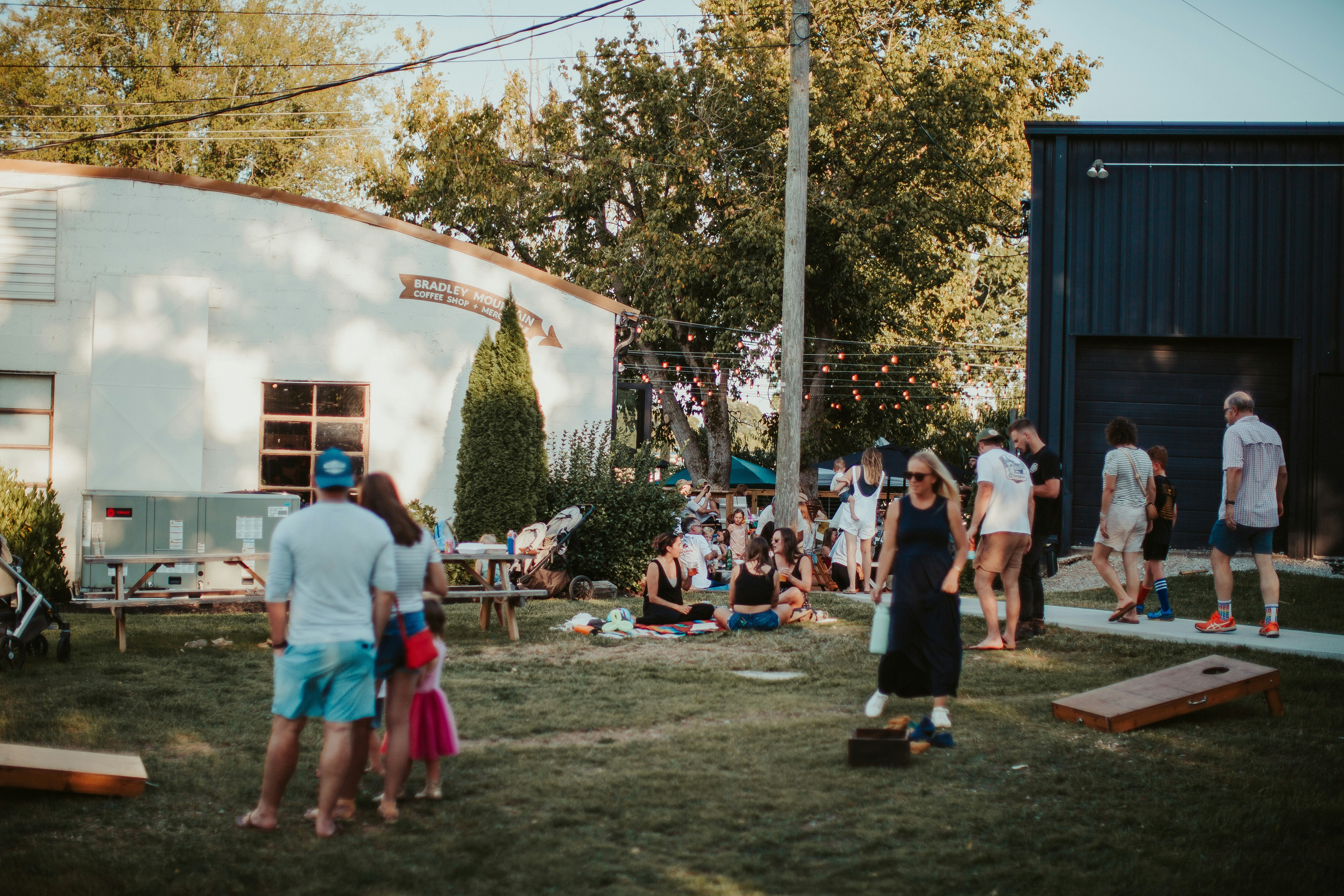
Event schedules with RSVP: think slips and slides contests, cornholes tournaments, pickleball games. Guests can scroll through, see something they like and sign up in the app. It's particularly useful for staff to see exactly how many people to expect, rather than guess.
-
An interactive park map, either a static image with pins on it, or, through a new partnership with CampMap, proper turn-by-turn GPS directions from the gate to a specific site. Bobby's best story of the session: a long-term guest at a gated park had chest pains and called 911, and because the park's street address didn't help first responders navigate the property itself, she told the ambulance crew to download the app and search her site number. They believe it shaved meaningful minutes off the response. Not every feature gets to be a plot twist, but this one earned it.
-
Digital, PCI-compliant waivers and forms covering liability waivers, golf cart driver checks, maintenance requests, and lease agreements, so parks can retire whatever third-party waiver subscription they've been quietly paying for. After bad weather, one manager photographed a storm-felled branch blocking the road through the maintenance form and added the instruction "bring the big chainsaw".
-
A community chat feature, open to everyone or restricted to a specific group, say a pickleball club. One guest used it to ask if anyone could help wrestle a motorcycle out of the back of his truck. Three people turned up within five minutes. Try getting that response time from a group email.
-
Free push notifications, sent to either guests currently on-site or everyone who has ever downloaded the app. One Australian park switched over after realizing their annual SMS bill was higher than the entire AppMyCommunity license, which is the kind of maths that sells itself.
- Charge-to-site: Let guests pick up snacks or firewood, log it in the app, and not worry about carrying their payment cards. All charges are billed to the reservation, added to the folio, and charged at the end of the stay. Just like you would charge a hotel meal to your room. No need for wristband or RFID technology.
- Staff onboarding: Assign tasks, reminders, and onboarding plans within the app. A park even built a scavenger hunt to complete within the app with pictures to take and markers to complete. Talk about a great staff onboarding experience...especially useful when we know it's hard to recruit for these seasonal roles.
The bit built specifically for RMS customers
When a guest books through the RMS booking engine and later logs into the park's app with the same email, the app recognizes them as an in-house guest. Cabin door codes and security gate barcodes can appear directly on the phone. Parks can also embed their RMS booking engine in the app so guests can check availability and book without ever leaving it.
None of this requires you to be permanently on the phone to AppMyCommunity. It's a lean, seven-person team, but training is unlimited, and most changes, renaming a button, swapping in a new map, take park staff seconds to make themselves.
Getting started
Pricing is an annual license based on site count, starting at $2,100 USD a year for parks with 150 sites or fewer, payable monthly, quarterly, or upfront. Bobby's tip: several parks cover the cost entirely by selling small ad placements to local businesses in the app's "Local Spots" section, with view and click analytics thrown in so those businesses can see it's actually working.
AppMyCommunity is closing in on 400 clients, mostly RV parks and campgrounds, plus around 80 chambers of commerce and a widening cast of one-off communities, including a US Air Force Academy parents' club that launched the same week as this webinar.
Want a closer look?
If you're already an RMS customer curious about the AppMyCommunity integration, get in touch and we'll make the introduction. If you're not yet an RMS customer, reach out, and we'll show you how the two fit together. Take a closer look at the app and understand its capabilities by watching the webinar recording.