


Workforce solutions providers have always been measured on operational efficiency: occupancy, turnaround times, cost per bed. But that's no longer the full picture. A growing number of operators now treat resident mental health and wellbeing as a core operating priority, alongside efficiency, not instead of it. For workforce housing software, that means the job is expanding from managing rooms to helping operators look after the people in them.
A client conversation that stuck with me
At our Sales Kickoff this year, I spoke with Civeo, a global workforce accommodation provider and one of RMS's long-standing customers, about what's on their roadmap for next year. I expected to hear about occupancy targets and operational efficiencies. I did, but that wasn't the main message.
What stood out was how much airtime mental health and employee wellbeing now get in their planning. Civeo's people spend long stretches away from home, often in isolated locations like mining camps, or in demanding, high-pressure environments tied to remote resource and infrastructure projects. Being away from family and community for weeks at a time, on a fixed roster, in a place with limited social outlets, takes a toll on staff and makes it hard to retain and recruit new staff.
It's an interesting shift. Wellbeing used to be a "nice to have" line in a corporate responsibility report. For workforce accommodation providers, it's moving toward the center of the business case.
What is workforce housing, and why does wellbeing matter there specifically?
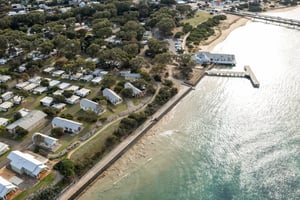
Workforce housing (also called workforce accommodation or crew housing) is temporary or long-term lodging built and managed for people working away from their home community, most often in mining, oil and gas, construction, defence, disaster recovery, and other project-based industries. Residents typically live on fixed rosters (for example, two weeks on, one week off) in lodges, villages, or modular camps, often in remote or logistically difficult locations.
Wellbeing matters more here than in most hospitality settings because the stressors compound: isolation from family, disrupted sleep and social routines, high-pressure work, and a camp culture that hasn't always encouraged people to ask for help. Research bears this out. A cross-sectional study of remote Australian mining workers found that 44.4% reported moderate to very high psychological distress, well above general population rates (NCBI, 2018). Fly-in-fly-out (FIFO) workers have also been documented to experience higher rates of psychological distress than their non-FIFO peers, driven by factors like compressed rosters, missed family milestones, and a "tough it out" culture that can discourage help-seeking (TIS Training; Mining International).
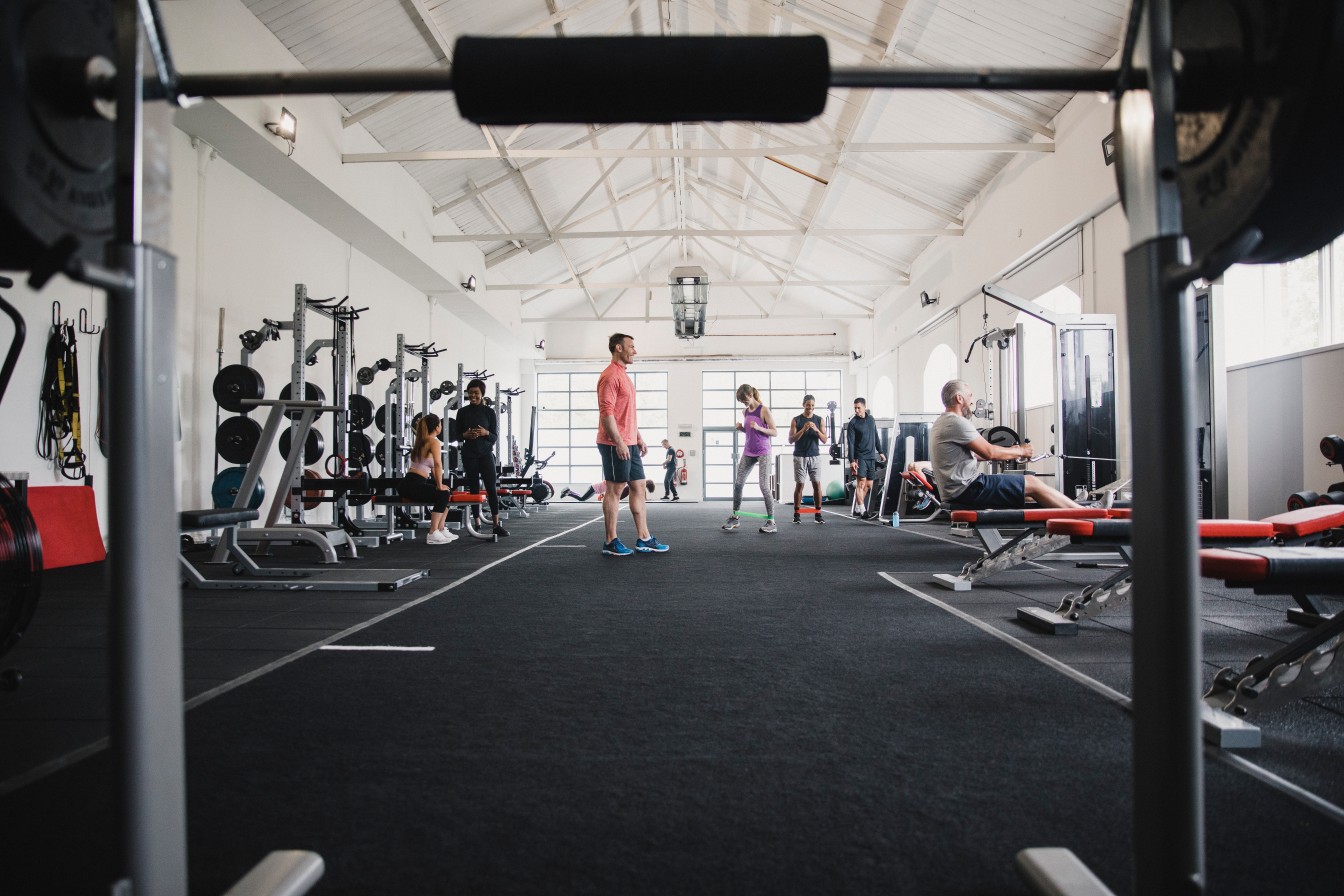
Civeo has been explicit that this is now core to how they run their villages, describing a goal of having residents "leave in as good, if not better, fitness and wellbeing state than when they arrived," backed by health and wellbeing programs that run alongside catering and accommodation services (Civeo).
From efficiency-only to efficiency-plus-wellbeing
For decades, the value proposition for workforce solutions providers was straightforward: house more people, more reliably, at lower cost, with less admin. That's still table stakes. What's changed is what sits alongside it.
Old scorecard: occupancy rate, turnaround time between crews, cost per room, compliance reporting.
Emerging scorecard: the above, plus resident retention, sentiment and engagement, incident and isolation flags, and program participation in wellbeing initiatives.
This is a response to real business pressure. In a tight skilled-labour market, a camp known for looking after its people is easier to staff and easier to retain. Workforce housing has an important role in solving skilled labour shortages when it's positioned as more than a bed for the night (Canadian Mining Magazine). Employee wellbeing has become a genuine retention and recruitment lever, not just a compliance checkbox.

What this means for workforce housing software
If wellbeing is now part of the job, the systems operators run on have to support it, not just track rooms and invoices. A few areas where this shows up in practice:
Reliable, fast communication. When something happens on site, whether it's a safety incident or a welfare check, operators need to reach residents quickly. Bulk alerting and two-way messaging tools let workforce housing teams keep residents informed and connected during emergencies, and just as importantly, during the everyday moments that reduce isolation.
Predictable rosters and rest. Automated roster-based reservations and repeat-booking tools reduce the manual admin that leads to double-booked rooms, last-minute reshuffles, and disrupted rest for crews already dealing with a demanding schedule. Software that gets rostering right is, indirectly, a wellbeing tool.
Visibility operators can act on. Occupancy forecasting, compliance reporting, and workforce-specific analytics give site managers an early view of pressure points, whether that's a village running over capacity or a pattern worth a closer look, before it becomes a bigger problem.
Consistency of experience. Automated housekeeping and maintenance workflows keep rooms turned around and ready, which sounds purely operational but matters directly to residents: a clean, well-maintained room that's ready on arrival after a long shift is part of feeling looked after, not just housed.
This is the direction RMS has taken with its own workforce housing solutions, built for operators managing FIFO rotations, roster-based reservations, and workforce-specific compliance reporting, with tools like bulk SMS alerting for on-site emergencies and self-service corporate booking portals. Civeo is one of the workforce accommodation providers using RMS today.
The takeaway for workforce solutions providers
Operational efficiency got workforce solutions providers this far. It's necessary, but on its own it's no longer sufficient. Employee wellbeing, especially for people working in isolated or high-pressure environments, is becoming a genuine strategic priority for operators like Civeo, and workforce housing software needs to be built with that in mind, not bolted on as an afterthought.
The providers that treat wellbeing as core infrastructure, not a side program, are the ones best placed to attract and keep both guests and the clients who house them there.
Frequently asked questions
What is workforce housing software? Workforce housing software is property management software built for operators of workforce accommodation, such as mining camps, remote lodges, and crew villages. It typically handles reservations, roster-based bookings, housekeeping, maintenance, compliance reporting, and resident communication for people living on-site for extended, rotating shifts.
Why is employee wellbeing becoming a priority for workforce accommodation providers? Long rotations, isolation, and high-pressure work environments are linked to elevated rates of psychological distress among workers in remote industries such as mining and resources. Operators are responding because wellbeing affects retention, safety, and their reputation with the clients who contract their accommodation services.
How can workforce housing software support employee wellbeing? By reducing the operational friction that adds to resident stress: reliable rostering, fast emergency communication, predictable room turnaround, and reporting that helps site managers spot pressure points early. It's not a replacement for dedicated wellbeing programs, but it removes friction that gets in their way.
Is this only relevant to mining and resources? No. The same pressures show up anywhere people live on-site away from home for extended periods, including construction, disaster relief and recovery operations, defence, and large-scale event or infrastructure projects.