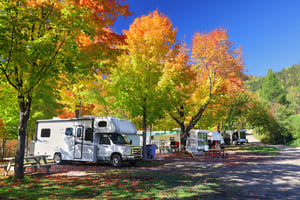



Thinking of buying a park? You've come to the right place. The RV park market is on the up. Remote workers are extending their stays, younger travelers—Gen Z and millennials—now represent nearly half of campground revenue, and demand continues to exceed supply in many regions. In 2024, 56% of campers struggled to find available sites, highlighting persistent capacity constraints even as the market matures.
While industry projections show approximately 1.9% annual growth through 2030, a modest but stable trajectory occupancy rates remain elevated above pre-pandemic levels. This combination of steady demand, limited new supply, and evolving customer demographics keeps buyer interest in campground businesses strong, particularly as investors recognize the recession-resistant nature of outdoor hospitality.
If you're searching for an RV park for sale, you're entering a market where demand consistently exceeds supply. But opportunity alone doesn't guarantee success. The difference between a profitable campground business and a money pit often comes down to what happens before you sign the purchase agreement—the research you do, the questions you ask, and the systems you put in place from day one.
This guide covers what you need to know when evaluating an RV park for sale: how to assess profitability, what makes campgrounds succeed or struggle, where technology fits in, and how to position your investment for long-term returns.
Are RV parks profitable? Understanding the business model
The short answer: yes, RV parks can be highly profitable. But the devil is in the detail.
Unlike traditional hotels, RV parks typically operate with lower overhead. You're not furnishing rooms or replacing linens. Maintenance focuses on infrastructure—roads, utilities, common areas—rather than individual units. Labor costs are lower. Food and beverage operations are optional. The business model is simpler, which is part of the appeal.
Profitability depends on several factors. Occupancy rates are critical. Parks in high-demand locations, near national parks, popular travel routes, or warm-weather destinations, command premium rates and maintain strong occupancy year-round. Seasonal parks face distinct dynamics: high revenue during peak months, but they must cover annual expenses within that compressed window.
Revenue per site varies widely. A basic site with electric hookup might generate $30-40 per night. Premium sites with full hookups (water, sewer, and electricity), concrete pads, and outstanding lake views can command $60- $ 80 or more. Add cabins, glamping options, or long-term seasonal sites, and you create multiple revenue streams that smooth out your cash flow.
Operating margins for well-run RV parks typically range from 40-60%—significantly higher than most hotels. However, these numbers assume efficient operations. Parks burdened by manual processes, outdated systems, or poor guest management see margins erode quickly.
The question isn't just whether RV parks are profitable in general. It's whether the specific campground for sale you're evaluating can deliver the returns you need based on its location, condition, competition, and operational setup.
What to look for when evaluating an RV park for sale
Walking the property tells you about aesthetics and amenities. Financial due diligence reveals the numbers. But the real insight comes from understanding how the business actually operates.
Location and market dynamics
Location drives everything. Parks near major attractions, along popular travel corridors, or in areas with limited competition have built-in advantages. Research local tourism trends, seasonal patterns, and planned developments that could impact future demand. A park that looks quiet today might be in an area that is starting to attract remote workers, or facing new competition from a larger development down the road.
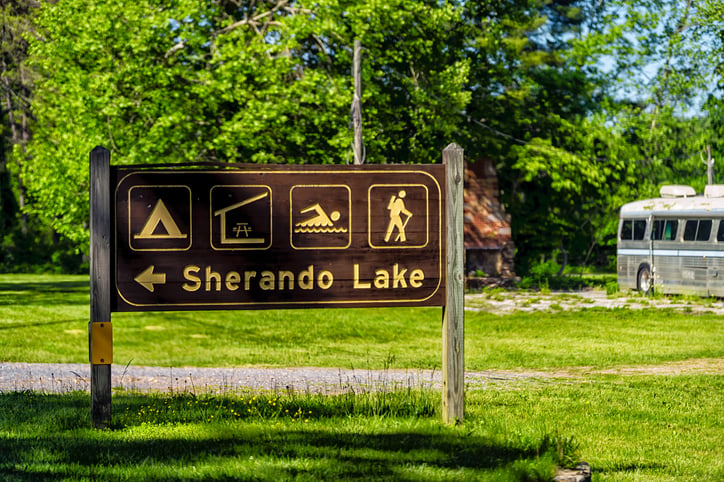
Also consider accessibility. Parks that require difficult navigation or lack clear signage lose bookings before guests even arrive. RV travelers value convenience, and first impressions start before check-in.
Site mix and revenue potential
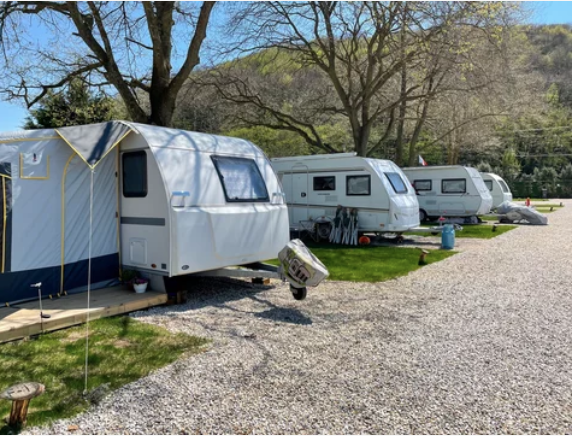
Count the sites, but also understand the mix. How many pull-thru RV sites versus back-in sites? What's the breakdown of full hookup RV sites, partial hookup sites, and premium tent sites? Do patio RV sites or waterfront locations command higher rates, or is everything priced the same?
Look for diversification opportunities. Can you add rental cabins or deluxe cabins with full baths? Are there options for unique lodging options beyond traditional RV sites? Properties with expansion potential offer ways to increase revenue without acquiring more land—whether that's upgrading existing sites or adding amenities like a dog park, playground, or walking trails.
Infrastructure and deferred maintenance
Underground utilities are expensive to replace. Walk the property with an experienced inspector who understands RV park infrastructure—electrical systems, water lines, sewer hookups, roads, and drainage. A park that looks maintained on the surface might have significant deferred maintenance hiding underneath.
Check septic systems, wells, and electrical panels. Ask about recent upgrades and when major systems were last replaced. A park needing $200,000 in infrastructure work immediately changes your acquisition math.
Existing operations and systems
How are reservations managed? Is there a modern reservation system, or is everything tracked in spreadsheets and email? How do guests book? Is there an online booking engine, or do campers have to call during business hours?
The presence—or absence—of proper management technology directly impacts profitability. Parks running on outdated or manual systems leave money on the table through inefficiency, lost bookings, and higher labor costs.
Ask to see occupancy data, booking sources, average length of stay, and revenue per site over the past three years. If the seller can't easily provide this information, it's a red flag about operational sophistication.
Why technology matters for RV park investment success
RV park buyers often focus on land, location, and amenities—the tangible assets they can see and touch. Technology feels like a detail to sort out later. But that thinking underestimates the extent to which operational technology impacts profitability from day one.
The hidden cost of manual operations
Manual systems don't just create inconvenience—they leak revenue. When reservations come in via phone calls and emails rather than automated booking channels, you need staff to answer inquiries during business hours. International guests trying to book at 2 AM? They're finding a different park. Weekend inquiries? Lost to competitors with online booking.
Manual processes also create errors. Double-bookings, incorrect rates, missed payments, and lost deposits add up. Each mistake costs money to fix and damages guest trust. Parks relying on spreadsheets or basic software struggle to scale as occupancy grows.
Direct bookings and distribution
Modern campground management systems connect you to the channels where guests search—online travel agency (OTA) platforms, RV-specific booking sites, and your own website. This multi-channel distribution multiplies your visibility without multiplying your workload.
Direct bookings matter especially in the campground park business. A fast, mobile-friendly booking engine on your website captures direct bookings that avoid the 15-25% commission fees that OTA bookings incur. Since 87% of travelers now prefer booking online over phone calls, parks without modern booking engines lose potential guests to competitors who make reservations effortless.
Operational automation and efficiency
The right campground management software handles tasks that would otherwise consume hours: automated confirmation emails, pre-arrival reminders, payment processing, site assignment, maintenance scheduling, and post-stay communication. These automations don't just save time—they create consistency.
RMS, for example, brings together reservation management, payment processing, housekeeping coordination, and guest communication in one connected platform. For RV parks, this means managing sites with real-time availability, automated workflows, and centralized information. The system adapts whether you're running a 20-site campground or a 200-site resort. Guests can also pick a site on RMS’ interactive map.
When evaluating an RV park for sale, ask what systems are currently in place. A park already running on a modern platform like RMS is operationally ahead. If systems need upgrading, factor that transition into your planning and budget.
Types of RV parks: Understanding what you're buying
Not all RV parks operate the same way. Understanding the category helps set realistic expectations for operations, investment level, and returns.
Destination resort campgrounds
These are the premium properties—often branded resort campgrounds or independent destination-based RV parks. They offer extensive amenities: swimming pools, clubhouses, camp stores, laundry facilities, bathhouses, and recreational facilities like fishing ponds or private lakes. Some include group meeting facilities for rallies and events.
Destination parks attract longer stays and command premium rates. They're more complex to operate but generate higher revenue per site. When evaluating this type of campground for sale, expect higher purchase prices but also stronger cash flow potential.
Transit and overnight parks
Transit-focused properties serve travelers looking for convenient overnight stops. These parks prioritize easy access, quick check-in, and essential amenities—full-hookup RV sites, clean bathhouses, and possibly a propane filling station or a basic camp store.
Operations are simpler, labor needs lower, and turnover higher. Revenue comes from volume and consistency rather than premium pricing. These work well for first-time buyers or those seeking straightforward management.
Family resort campgrounds
KOA Holiday campgrounds exemplify this category—focused on family vacations with amenities like playgrounds, swimming pools, activities programs, and varied accommodation types from RV sites to rental cabins. These parks balance destination appeal with accessibility.
Operating a family resort requires more staffing and programming, but loyal repeat guests and seasonal bookings create predictable revenue. Many families return to the same park year after year, building a stable customer base.
Hybrid and niche properties
Some parks carve out specialized niches: fishing resorts with private lake access and inland waterways for anglers, adult-only parks focused on quiet relaxation, or parks near state parks and local attractions that cater to outdoor enthusiasts. Others combine RV sites with storage options for boats and RVs, creating dual revenue streams.
Workforce-oriented parks serve a different market entirely—construction workers on extended projects, hospitality workers in seasonal resort areas, oil and gas industry personnel, or digital nomads seeking extended stays with reliable connectivity. These longer-term guests provide stable monthly income that smooths seasonal fluctuations.
These niche approaches can reduce competition and build devoted followings, but they limit your potential guest pool. Evaluate whether the niche aligns with sustainable demand.
What amenities actually drive bookings and revenue?
Walk any successful RV park and you'll notice common threads: amenities that guests value enough to pay for, maintained well enough to justify the rates.
Essential infrastructure
Full hookup RV sites remain the baseline expectation for most travelers—water, sewer, and electric connections at each site. The distinction comes with electrical service: while 30-amp hookups work for many RVs, modern larger rigs increasingly require 50-amp service to run multiple air conditioners, residential refrigerators, and other high-draw appliances. Parks limited to 30-amp service may struggle to accommodate today's Class A motorhomes and fifth wheels.
Pull-thru RV sites command premiums over back-in sites for their convenience, especially for larger rigs. The ability to drive straight through without backing up makes pull-thrus highly sought after by owners of 40+ foot motorhomes.
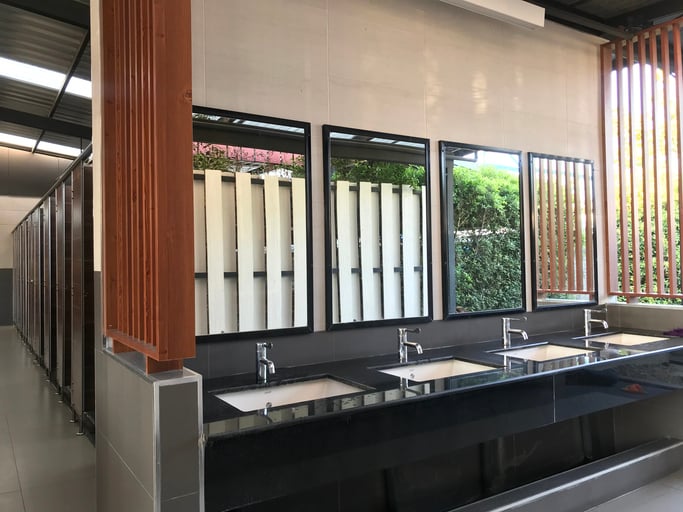
Clean, well-maintained bathhouses matter more than fancy fixtures. Guests expect hot water, adequate space, and cleanliness. Same with laundry facilities—they don't need to be luxurious, just functional and tidy.
Revenue-generating amenities
Rental cabins and deluxe cabins with full baths expand your market beyond RV owners to tent campers, first-time visitors, and those without RVs. This type of accommodation typically generates higher revenue per square foot than RV sites.
A well-stocked camp store generates ancillary revenue from forgotten supplies, firewood, ice, snacks, and local products. Parks with propane filling stations create convenience guests appreciate—and capture spending that would otherwise go elsewhere.
Experience enhancers
Amenities like swimming pools, playgrounds, dog parks, and walking trails don't always directly generate revenue, but they justify premium pricing and drive bookings. A family choosing between similar parks often picks the one with a pool and playground.
Clubhouses and group meeting facilities attract RV clubs, family reunions, and corporate retreats—group bookings that fill multiple sites simultaneously. Waterfront access, whether to lakes, gulf coast areas, or inland waterways, creates immediate destination appeal that supports higher rates.
What to skip
Not every amenity improves ROI. Elaborate water parks, expensive golf courses, or high-maintenance features can drain resources without proportional returns. The best amenities balance guest appeal with reasonable operating costs.
When evaluating an RV park for sale, analyze which amenities actually drive occupancy and which sit unused. Parks sometimes accumulate features that made sense years ago but no longer justify their upkeep.
Due diligence to keep in mind
Due diligence separates successful acquisitions from expensive mistakes. Cover these areas thoroughly:
Financial review: Request three years of tax returns, financial statements, and occupancy reports. Verify revenue through bank statements, not just what the seller reports. Look for seasonal patterns, booking trends, and whether revenue is growing or flat.
Legal and zoning: Confirm zoning allows RV park operation and any planned expansions. Review permits, licenses, and compliance with local regulations. Some jurisdictions have restrictive rules around long-term stays or maximum occupancy—understand these before buying.
Environmental assessment: Get a Phase I Environmental Assessment (ESA) to identify potential contamination or liability issues. RV parks with fuel stations, older septic systems, or previous commercial uses carry higher environmental risk.
Operational systems: Document all software, systems, and service contracts. What's the reservation system? Who provides internet and cable? What service agreements are in place for maintenance, landscaping, or utilities? Understanding these details prevents surprises after closing.
Guest reviews and reputation: Read reviews on Google, RV-specific platforms, and social media. What do guests consistently praise or complain about? A park with mediocre reviews but strong fundamentals might represent opportunity—or signal deeper operational issues.
Competition analysis: Visit competing parks in the area. How do their rates, amenities, and occupancy compare? Are new parks planned? Understanding your competitive position helps forecast realistic revenue.
Setting up operations for profitability from day one
You've completed due diligence and closed the purchase. Now the real work begins: transforming ownership into profitable operations.
Choose the right management approach
Some buyers plan to run the park themselves, others hire managers. Each approach has trade-offs. Owner-operators save labor costs but need availability and operational knowledge. Professional managers bring experience but add payroll expenses. Hybrid approaches—owner involvement with on-site staff—often work best for mid-sized parks.
Whichever you choose, establish clear systems early. Document processes, set expectations, and implement technology that gives you visibility whether you're on-site or remote.
Implement proper reservation and payment systems
If the park you purchased lacks modern systems, upgrading should be an immediate priority. A cloud-based campground management system like RMS transforms operations quickly. You'll gain online booking, automated communication, integrated payments, and real-time reporting—all accessible from anywhere.
The transition might seem daunting, but the payoff is immediate. Parks that upgrade systems typically see direct booking increases within weeks as online booking capabilities go live. Payment processing becomes seamless, reducing administrative time and improving cash flow.
Optimize pricing and inventory
Many campground businesses leave money on the table through flat pricing. Dynamic pricing—adjusting rates based on demand, season, day of week, and booking lead time—can increase revenue by 15-30% without adding sites or amenities.
Modern reservation systems include built-in revenue management tools that analyze booking patterns and suggest optimal pricing. Start with modest adjustments and refine based on results. Even basic segmentation—weekday versus weekend rates, or premium site pricing—improves yield.
Focus on guest experience and reputation
First impressions begin online. Make sure your website loads quickly, looks professional, and makes booking easy. Once guests arrive, deliver on expectations: clean sites, working utilities, responsive communication, and smooth check-in.
Automated pre-arrival communication sets expectations and reduces front desk time. Post-stay follow-ups encourage reviews and repeat bookings. RMS guest communication features handle this automatically, ensuring consistent touchpoints without manual effort.
Build repeat business and long-term relationships
RV travelers are known to be creatures of habit. They find parks they like and return year after year. Encouraging loyalty through membership programs, seasonal site options, and excellent service creates predictable revenue.
Many successful parks generate significant revenue from repeat guests and seasonal sites. According to industry benchmarking data, monthly and seasonal site rentals represent a substantial portion of total revenue—providing stable income that cushions against market fluctuations and reduces marketing costs. The foundation for loyalty is operational excellence—easy booking, reliable service, and personalized attention. Technology enables the personalization that larger operations struggle to deliver.
Image:
Location spotlight: Where campground opportunities exist
Location determines everything from occupancy rates to pricing power. Some markets offer stronger opportunities than others, and understanding regional dynamics helps target your search.
Texas: Hill Country and Gulf Coast dominance
Texas represents one of the strongest RV park markets in the country. The Hill Country regions around Austin and San Antonio draw year-round visitors with scenic landscapes, wineries, and outdoor recreation. Properties near state parks like Enchanted Rock or along popular routes between major metros stay consistently busy.
Gulf coast areas offer different appeal—fishing, beaches, and winter Texan traffic. Communities with oil and gas activity also support workforce-oriented parks with long-term sites. When you see an RV park for sale in Texas, it's worth serious consideration, though competition is strong as investors recognize the opportunity.
The advantage? Growing population, favorable climate, numerous local attractions, and traveler-friendly regulations create sustained demand across multiple park types.
Florida: Year-round appeal with seasonal peaks
Florida's climate makes it a campground investment favorite. Snowbird traffic generates strong winter occupancy from November through March, while summer brings families. Coastal parks and those near Orlando, the Everglades, or gulf coast areas attract diverse guest types year-round.
The tradeoff? Hurricane risk, elevated insurance costs, and intense competition in prime areas. Florida acquisitions require careful financial analysis—high purchase prices only make sense if occupancy and rates support the investment.
California: High demand meets high barriers
California campgrounds benefit from tremendous demand and limited supply. Proximity to state parks, coastal access, and national attractions keeps well-located parks consistently full. The environmental appeal and outdoor culture support premium pricing.
However, operating costs run higher, regulations are more complex, and purchase prices reflect the competitive market. California acquisitions work best for buyers with hospitality experience who can navigate the regulatory environment while maximizing revenue.
Mountain West and Great Lakes: Seasonal intensity
Colorado, Montana, and Great Lakes states offer strong seasonal opportunities. Summer demand is intense—families escaping heat, outdoor enthusiasts, and tourists visiting state parks and regional attractions. Parks near lakes, mountains, or tourism hubs achieve excellent summer occupancy.
The challenge comes in shoulder seasons. Three to four months of strong revenue must cover annual operating expenses. Successful parks in these regions either attract shoulder season traffic through events and marketing, or operate with lean off-season costs.
The South and Mid-Atlantic: Balanced markets
Tennessee, North Carolina, Georgia, and similar states provide year-round operation potential without Florida's hurricane exposure. Parks near Great Smoky Mountains, Appalachian trails, or inland waterways draw steady visitation. These markets balance accessibility, tourism, and reasonable operating costs.
What location factors matter most
Beyond state and region, evaluate specific location attributes. Proximity to interstate highways means convenience for overnight travelers. Distance to local attractions—whether state parks, lakes, entertainment districts, or natural wonders—drives destination appeal.
Access matters too. Parks requiring navigation through residential neighborhoods or difficult turns lose bookings from large RVs. Clear signage and easy ingress become competitive advantages.
Common mistakes when buying a campground park business
Learning from others saves money and stress.
Overpaying based on seller projections: Trust verified financial data, not optimistic forecasts. If a seller claims the park "could generate" significantly more revenue, ask why they haven't achieved it.
Underestimating infrastructure needs: Deferred maintenance catches many buyers off guard when evaluating a campground business for sale. Budget conservatively for repairs and upgrades.
Skipping competitive analysis: Buying in an oversaturated market limits upside. Understand supply and demand dynamics before committing.
Neglecting technology from the start: Manual operations create immediate bottlenecks. Implement proper systems immediately, not eventually.
Questions to ask before making an offer
Before submitting an offer on any RV park for sale, get clear answers to these questions:
- What's the current reservation system?
- What will transfer with the sale?
- How much revenue comes from direct bookings versus OTAs versus walk-ins?
- What's the average occupancy by month over the past three years?
- When were major infrastructure components last replaced or upgraded?
- Are there expansion opportunities, and are they zoning-approved?
- What's the current staffing model, and what roles are critical?
- How much have you spent annually on maintenance and capital improvements?
- What percentage of guests are repeat visitors or seasonal site holders?
- What marketing channels drive bookings, and what are the costs?
- Have you faced any legal, environmental, or regulatory issues?
Making your RV park investment work long-term
Buying an RV park is the first step. Building lasting profitability requires ongoing attention to operations, guest experience, and market positioning.
Successful park owners stay current on industry trends, invest in upgrades thoughtfully, build strong local partnerships, and maintain operational discipline. They understand that guest expectations evolve—what worked five years ago might not work today.
Technology plays an ongoing role. As your park grows, systems should scale with you. Platforms like RMS grow alongside your business, whether you acquire additional properties or expand current operations. The foundation you build in year one determines how smoothly years five, ten, and beyond unfold.
Your next move: From research to ownership
The RV park investment opportunity is real, but success isn't automatic. It comes from buying right, operating efficiently, and delivering experiences that turn first-time guests into loyal customers.
If you're serious about purchasing a campground for sale, start by understanding what actually drives profitability in this business. Visit parks. Talk to owners. Review financials critically. And recognize that operational infrastructure—particularly reservation and guest management systems—directly impacts your returns from day one.
When you find the right property, move confidently. The best campground business opportunities don't stay available long. But confidence comes from preparation, not impulse.
Ready to explore how proper campground management technology supports your investment goals? RMS works with RV parks and campgrounds across the country, helping owners maximize occupancy, automate operations, and deliver experiences guests remember. Whether you're evaluating your first acquisition or adding to an existing portfolio, the right operational foundation matters—probably more than you think.