


Hotel housekeeping tips—faster rooms, better stays
When a guest steps into her room for the first time, is it sparkling clean, welcoming, and Instagramable? Crisp sheets and fresh towels aren’t enough anymore. Today’s guests expect rooms that feel cared for, personal, and spotless—something only a skilled housekeeper can deliver. In a highly competitive US hospitality market, hotel housekeeping has become a key driver of guest satisfaction, rankings, and revenue.
In practical terms, hotel housekeeping is the department responsible for maintaining cleanliness, order, and visual appeal across the property. This includes guest rooms, public spaces, back-of-house areas, and everything in between. The housekeeping team ensures every space meets professional standards while creating a clean, welcoming environment for arriving guests.
Housekeeping now sits at a crossroad. Labor shortages affecting around 65% of hotels¹ collide with guest expectations, with most travelers ranking cleanliness among their top three factors for a positive stay (alongside price and location)2. Post-pandemic travelers demand enhanced cleaning regimens, and properties that fail to meet cleanliness standards face immediate consequences through negative reviews and reduced occupancy.
Something has to give.
The solution isn’t asking teams to work harder or cut corners. It’s working smarter by using technology that supports staff. From automated scheduling to robotic vacuum cleaners, technology is reshaping hotel housekeeping into a faster, more sustainable operation—one that balances guest expectations with staff wellbeing.
This guide explores hotel housekeeping tips that improve effectiveness without losing the human touch that defines great hospitality. For both hotel managers focused on profit and ratings, and housekeepers looking for time-saving ideas, these tips are designed to deliver real results.
We’ll begin with proven tips from top housekeepers, move into housekeeping automation ideas, and finish with cost-saving measures that protect quality and morale.
Insider hotel housekeeping tips from experienced staff
- Organize your housekeeping cart smartly: A well-organized cart cuts trips back and forth. Arrange cleaning products, fresh linen, and toiletries in the order you’ll use them. Keep high-use items within easy reach. Saving even a few seconds per room adds up across your daily workload.
- Separate deep cleaning from daily service: Plan deep cleaning that involves moving furniture or extra time on a separate schedule. This allows crews to keep expert standards without added time pressure.
- Follow the 20–10 work rule: Work in focused 20-minute blocks followed by short 10-minute breaks. This rhythm reduces tiredness and helps support energy and focus through long shifts.
- Master the triple-sheeting method: Triple sheeting with flat sheets is faster than changing duvet covers and offers better temperature control for guests. This method is widely used in US hotels because it improves both speed and guest comfort.
- Favor multi-purpose cleaners: Quality multi-purpose products reduce bottle juggling. Save specialty cleaners for heavily soiled areas or tough stains.
Housekeeping automation tips—let tech do the heavy lifting
High ranking hotels use housekeeping technology to enhance human effort—not to replace it. Robots excel at routine tasks like vacuuming public spaces, while staff handle meticulous work and quality checks that drive guest satisfaction.
Here’s how automation can improve daily operations.
- Scheduling and task management: Link housekeeping and front desk systems to give real-time room updates. When a guest checks out early, the system reassigns cleaning priorities, improving staff workload across the property. This built-in tech cuts time spent assigning tasks each morning.
- Smart supply management: Instead of staff finding mid-shift that supplies have run out, auto stock tools predict ideal levels based on demand. This avoids both waste and shortages.
- Anywhere access: When your property management system (PMS) is cloud-based, staff can access it from anywhere, giving instant clarity on daily tasks. This removes radio chatter and cuts confusion during busy periods.
- Robotic cleaning assistants: Self-running vacuum robots easily handle routine floor cleaning in public areas. They work during off-peak hours, freeing staff for more complex tasks.
Cost saving housekeeping tips for savvy operators
Technology alone can't solve housekeeping challenges. Sustainable efficiency requires rethinking workflows, expectations, and how hotels value the people doing this demanding work. The following strategies benefit both operations and the individuals performing the work.
Give guests a choice: Guest-friendly opt-out programs cut extra workload while supporting eco goals. When guests decline daily housekeeping via the guest portal in exchange for points or credits, staff manage lighter workloads, guests gain privacy, and hotels lower labor costs.
- Implement team-based cleaning: Two-person teams can lift output significantly while reducing physical strain. Teams handle heavy tasks together, provide checks for each other, and boost morale through social contact.
- Adopt zone-based assignments: Assigning housekeepers to set areas builds comfort and speed. Staff spot small changes quickly and develop routines tailored to each space, creating pride and ownership.
- Create realistic schedules: Build buffer time for heavily soiled rooms or urgent guest requests. Time planning should reflect room detail—suites take far longer than standard rooms. Avoid the urge to overbook cleaning slots, which leads to rushed work and burnout.
- Standardize with checklists: A full hotel room cleaning checklist ensures consistency and care while guiding new staff. Effective lists follow a clear order, starting with high surfaces before addressing floors. They cover everything from replacing supplies and cleaning TV remotes, to checking mattress protectors and conducting final odor checks.
- Invest in durable equipment: Sourcing and selecting cleaning equipment and supplies necessary for effective hotel housekeeping has a significant impact on efficiency. Choose body-safe vacuums, lightweight carts, and proper lifting tools to lower injury risk. While quality equipment costs more upfront, it pays off through lower compensation claims, reduced turnover, and better morale.
- Recognize and support staff: Housekeeping work is often invisible when done well and only noticed when it fails. The role involves real physical and mental labor, putting staff at risk of burnout. Supporting staff wellbeing is vital for operational stability and guest satisfaction.
Quality consistently beats quantity. Hotels that pressure staff to clean 20+ rooms daily often face higher guest complaints, increased turnover, and damaged hotel reputation. A sustainable routine and schedule prioritizes thorough cleaning of fewer rooms over rushed work across too many spaces.
Tips for implementing technology
Automation has limits. Technology doesn’t replace the sharp eye of an experienced housekeeper who notices lingering odors or subtle cleanliness issues. Human instinct makes the space feel welcoming, not just clean.
Hotels should start with pilot programs aimed at clear pain points. If scheduling takes too much management time, trial auto scheduling in one section of the property.
Housekeeping staff members understand workflow bottlenecks. Include them in technology selection to identify solutions that will genuinely help.
Work out return on investment (ROI) as you test improvements. RMS offers an all-in-one platform linking housekeeping and scheduling with the PMS, helping hotels streamline operations without juggling multiple systems.
Measuring housekeeping performance and quality
Effective housekeeping management tracks more than rooms cleaned.
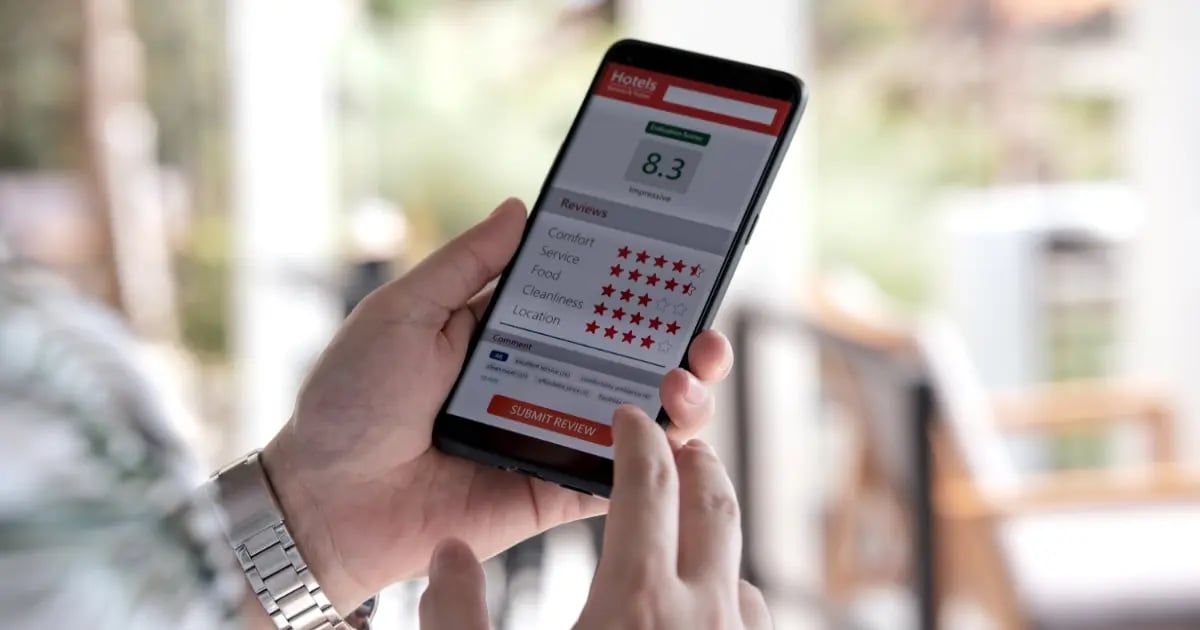
Monitor quality with regular post-clean reviews. Follow up guest complaints about cleanliness. Group issues by type to identify training gaps or common problems. These quality metrics have a direct impact on guest satisfaction and hotel revenue.
Measure efficiency as average cleaning time per room type, paired with quality scores. Track turnover time from checkout to ready status to support early check-ins and maximize occupancy.
With modern hotel software, data drives decisions about staffing, training, and tech. Use analytics in RMS to help identify trends, optimize labor use, and justify changes to hotel operations.
Trends shaping the future of hotel housekeeping
The future of housekeeping is tied to hospitality trends that focus on improving the guest experience.
Sustainability is now the norm. Guests expect eco-friendly cleaning products, water-saving saving measures, and waste reduction. Hotels that give priority to environmental efforts will attract both guests and staff who share the same values.
Guest choices will drive service models. Flexible systems allowing guests to tailor their experience through the guest portal will become standard. Hotels can adapt to these new ways without yielding quality or efficiency.
Housekeeping will expand to include wellness, sustainability, and technology management. As the role grows more complex, hotels investing in their teams will outperform those treating staff merely as resources.
Tips for a better housekeeping future
To continue to thrive in today’s economy, hotel operators should recognize housekeeping as the foundation of guest satisfaction. This means following a path that combines smart automation to assist the people doing this essential work.
For hotel managers, success means investing in both tech and people. For staff, work becomes more efficient and enjoyable through time-saving methods and systemic changes.
Finally, implementing our tips will help create a warm atmosphere that guests love to rave about. Good for them and great for business.
1 65% of surveyed hotels report staffing shortages, American Hotel and Lodging Association, 2025
2 Ecolab Hotel Cleanliness Consumer Survey, Ecolab, 2024