



Five property management automations that transform hotel operations
It’s late at night, and you’re still finalizing payments, checking deposits, and trying to reconcile systems that don’t match. Tomorrow you’ll repeat the same routine—after a day of helping guests while dealing with housekeeping issues and whatever else the day throws at you.
Now picture a very different day. Payments reconcile on their own. No shows are processed automatically. Your accounting software updates without manual effort. Instead of chasing small tasks, you’re focusing on tomorrow’s business strategy—or heading home on time.
This is the real value of property management automation. Hotels, student housing, and mixed-use property operators are now turning routine work into automated workflows that remove manual effort, reduce revenue loss, and tighten compliance. With the right setup, your systems can run quietly in the background while your team focuses on service and growth.
Here are five of the best automations that have the biggest impact on modern hotel operations.
1. Smart payment automation: secure, predictable cash flow
Payment management has always been messy. Guests book through multiple channels. Some pay deposits; some don’t. Cards fail. Chargebacks appear weeks later. Someone must match each transaction to the right reservation, update the ledger, and spot errors before they turn into lost revenue.
Payment automation replaces this patchwork with a single, reliable workflow.
Modern tools capture payment data at the moment of booking and follow it through every system—booking engine, property management system (PMS), accounting—without manual entry. You no longer chase balances or handle declined cards at check-in. Instead, the system enforces your rules:
-
Deposits taken automatically at booking
-
Full payment processed before arrival
-
Payment plans for longer stays
-
Semester billing for student accommodation
-
Student parent guarantees or financial aid tracking
-
Different structures for hotel rooms, serviced apartments, and holiday parks
Compliance improves at the same time. Automated systems manage industry security rules, store required authentication records, and handle 3D Secure (3DS) checks. Should a chargeback arise, all supporting documents are already organized.
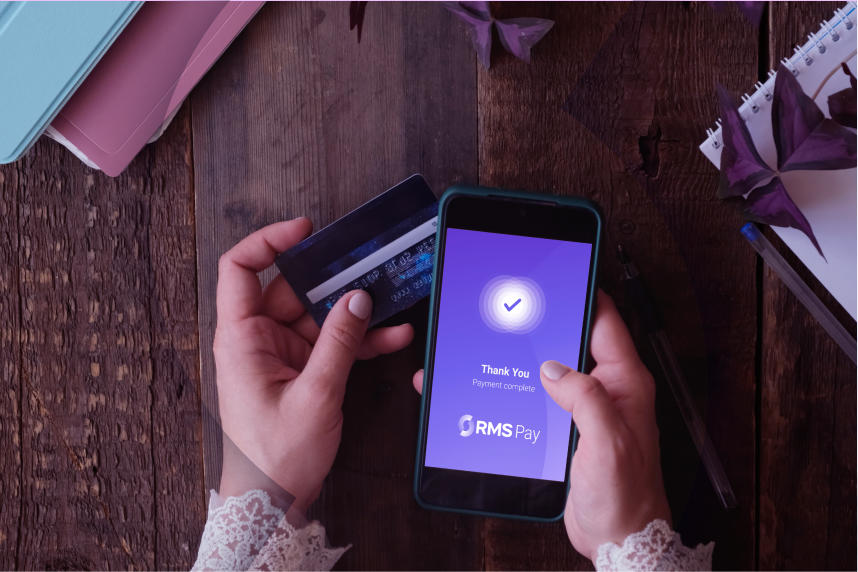
RMS Pay is inherently secure, Payment Card Industry Data Security Standard (PCI DSS) compliant, and natively integrated into RMS. It’s been designed with lean, busy teams in mind.
Most importantly, cash flow becomes steady and predictable thanks to payment automation. Revenue arrives in real time because the system processes it continuously. Accounting reports reflect accurate numbers without staff spending hours reconciling spreadsheets.
When payment workflows run automatically, the financial side of the business stops feeling like a daily fire drill.
2. Digital pre-arrival: check-in that works while you sleep
Traditional check-in requires staff to collect identification, confirm booking details, process payments, assign rooms, and explain facilities. When many guests arrive at once, the front desk becomes a bottleneck. Late arrivals often need extra staff or after-hours arrangements.
Digital pre-arrival shifts most of this work online, well before guests reach your property.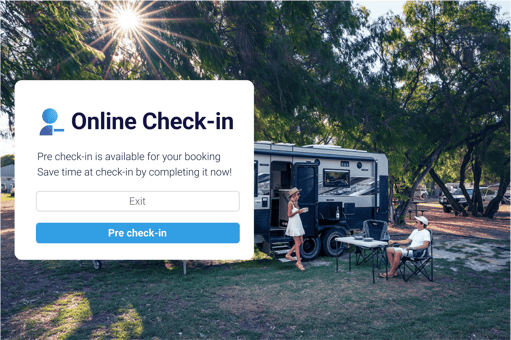
Once a booking is confirmed, the system triggers a simple workflow. Guests receive a message asking them to:
- Upload ID
- Confirm personal details
- Complete required declarations
- Make final payments
- Review arrival instructions
And online check-in saves time when guests arrive.
For areas with strict guest registration laws, the workflow ensures that the correct information is collected and formatted automatically. This reduces compliance risk and keeps reporting accurate.
Hotels benefit, but so do student housing and long-stay operators. Automation lets them:
- Complete background checks
- Gather emergency contacts
- Capture roommate preferences
- Register vehicles and parking
- Deliver customized move-in checklists
Because automation uses conditional logic, each guest or resident sees only the fields relevant to their stay. Long-term occupants keep using the portal to update details, log maintenance requests, and access policies—tasks that otherwise absorb staff time.
For travelers, the experience is smoother. They complete all paperwork on their own schedule. They arrive knowing their key is ready, their payment is secure, and they won't wait in a queue.
For operators, front desk congestion drops sharply. Staff shift from form-fillers to genuine hospitality roles.
Digital pre-arrival is one of the easiest workflow automations to implement and one of the fastest to show results.
3. Communication automation: consistent messaging that delights guests
Guests may never see your internal systems, but they feel the effects of your communication. Slow, inconsistent, or missing messages can damage trust. Automation ensures every guest receives what they need at the right moment—without staff manually pushing emails or SMS.
Example automated communication flow |
|
|
At booking
|
Before arrival
|
|
During the stay
|
After departure
|
For student housing and long-stay accommodation, the system adjusts messaging by season: exam quiet hours, break periods, policy updates, events, and move-out instructions.
Guests choose how they prefer to receive messages—email, SMS, app notifications—and the system honors that preference.
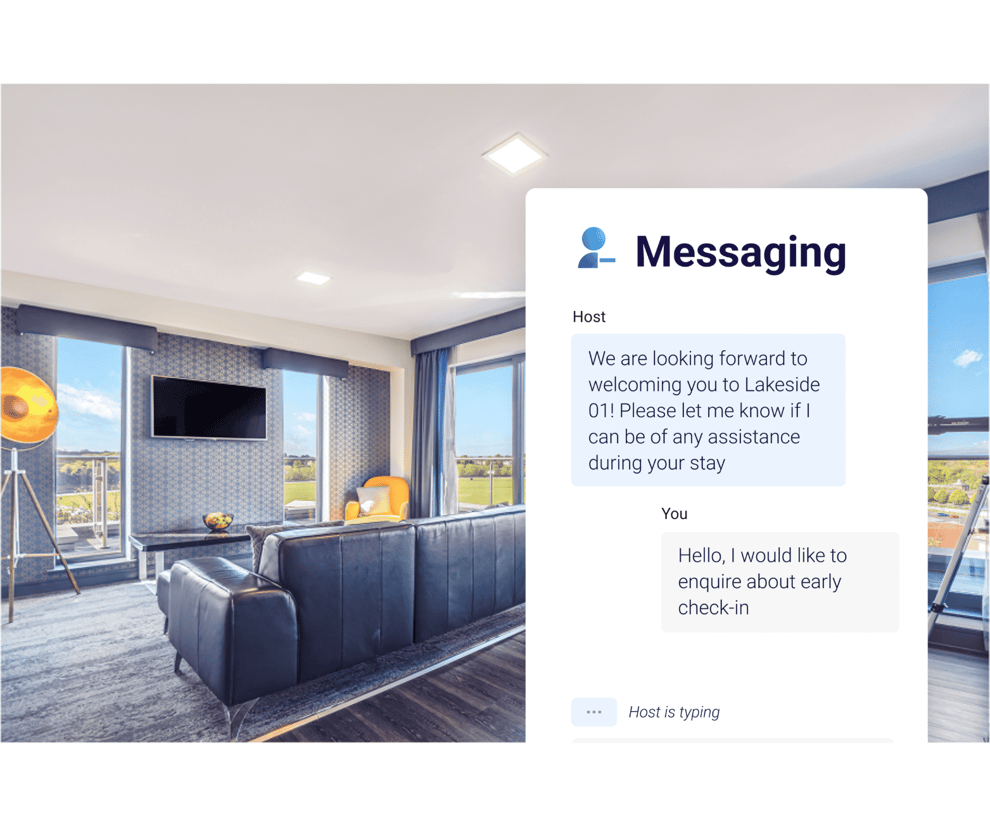
This type of automation does more than save time. It builds confidence. When guests receive timely updates, they feel the property is organized and reliable. That sense of order improves reviews, reduces front desk questions, and leads to more repeat stays.
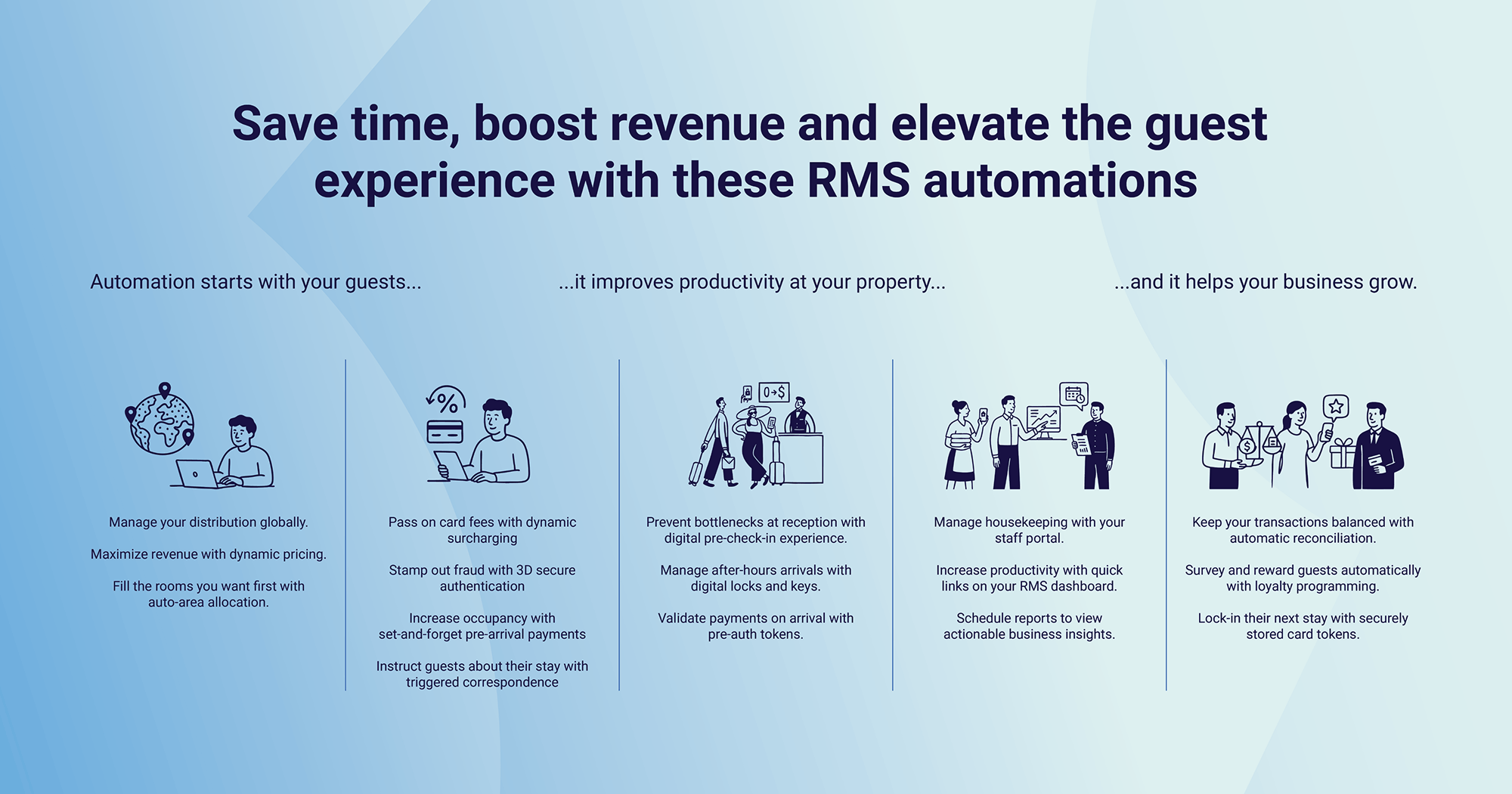
4. Intelligent space allocation: goodbye to guesswork and last-minute chaos
Assigning rooms or units should be simple, but in practice it involves many variables: guest preferences, accessibility needs, maintenance issues, housekeeping readiness, length of stay, and energy use. When done manually, errors are common.
Intelligent allocation automation handles this in seconds. It pulls real-time data from housekeeping, maintenance, pre-arrival forms, and your PMS to make the best possible match.
Consider what it accounts for automatically:
- Clean and ready rooms
- Maintenance flags
- Guest preferences captured during pre-arrival
- VIP requirements
- Floor-by-floor or building-by-building strategies
- Safety or security considerations
- Energy efficiency goals
For hotels, this prevents double-bookings and awkward room changes. For student housing and mixed-use properties, it manages roommate matching, group placements, and proximity for event bookings.
One often overlooked benefit is energy optimization. Filling floors in sequence rather than scattering occupancy lowers heating, cooling, and lighting costs—sometimes significantly.
Allocation is also connected with housekeeping automation. As soon as a guest checks out, the room enters the cleaning queue. Once marked clean, it becomes available for immediate assignment to the next arrival.
This type of automation impacts operations by reducing assignment errors and the time spent on housekeeping. Plus, it leads to fewer guest complaints about wrong rooms or overlooked requests
This is one of the most practical examples of workflow automation in hospitality, with clear financial and service benefits.
5. Revenue optimization powered by AI and automation
Dynamic pricing used to be the main focus of revenue management. Looking to the future, AI tools will play a broader role in giving hotels a commercial advantage.
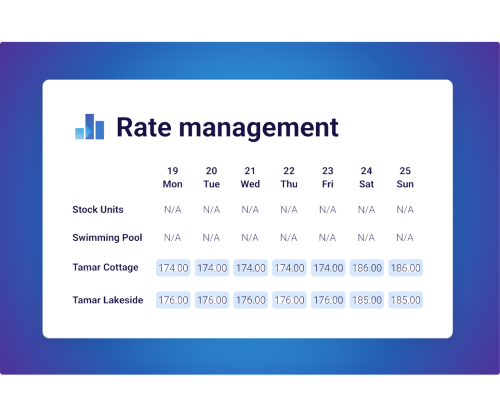
AI systems can track and analyze large sets of data at once:
- Occupancy and booking pace
- Competitor pricing
- Local events
- Historical patterns
- Seasonal demand shifts
Rates adjust continuously based on actual market conditions. But the real value comes from the wider automation around upsells, stay extensions, and package offers.
Examples of what AI can trigger automatically:
- Guest searches for a longer stay → send a personalized fourth-night offer
- High-value guest books → offer early check-in before inventory fills
- Housekeeping has capacity → late checkout offer pushed to the right guests
- Busy event week → link meeting space with accommodation for higher total revenue
Mixed-use properties get even more benefits. Those with on-site apartments, student rooms, or event areas can adjust pricing and packaging based on season, demand, and stay type. The system can bundle accommodation with services such as parking, meals, cleaning, tutoring, or utilities—without manual planning.
Real-time reporting supports these decisions. Operators can see performance by hour, by channel, and by room type. If a strategy is underperforming, they can adjust immediately rather than waiting for the next monthly report.
Common scenarios that can be prevented by using AI with automation:
- Rooms being sold below the minimum rate
- Upgrade opportunities being missed
- Pricing mistakes made across channels
- Delayed updates to rates
- Packages being sold at lower margins
Revenue automation creates a level of consistency and precision that manual management simply can’t match.
Your roadmap to property management automation
You don’t need to automate everything at once. A staged approach often works best and gives your team time to adjust.
A common rollout sequence looks like this:
- Start with payment automation—It reduces immediate pain and stabilizes cash flow.
- Add digital pre-arrival—Once payments are smooth, reduce check-in pressure.
- Integrate AI-driven revenue optimization—Clean data improves pricing accuracy.
- Introduce space allocation rules—Boost efficiency and reduce errors.
- Complete the system with communication automation—Create a seamless guest journey.
Each automation strengthens the others. Revenue tools work better when allocations are smarter. Communication is more accurate when it draws from pre-arrival data. Payment workflows run cleaner when systems are integrated end-to-end.
Modern platforms support this phased approach with fast deployment times measured in weeks, not months. For operators managing hotels, apartments, student housing, or event spaces under one portfolio, unified automation prevents duplication and closes the integration gaps that slow down operations.
The competitive edge is clear: properties using property management automation run leaner operations, create better guest experiences, adapt far faster to market shifts. The question now isn’t whether to automate—it’s which workflow to modernize first.
If you’re ready to explore how automation can reshape your property, book a demo and see how these tools work in real life.